Making Your Bathroom Accessible Without Sacrificing Style
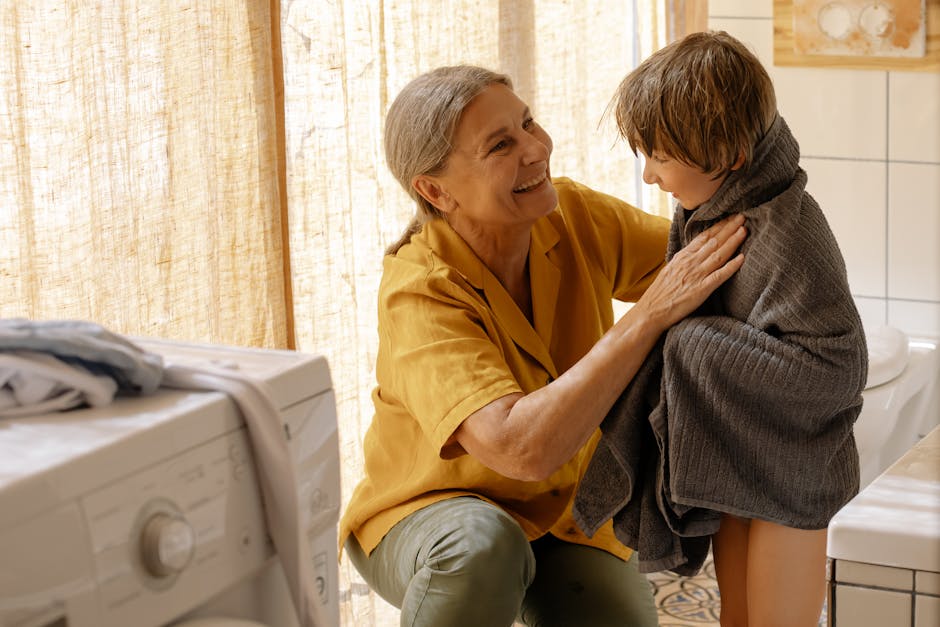
Accessible bathrooms aren't about clinical institutional design. Modern accessibility features can be genuinely attractive, and they benefit everyone—not just older people or those with disabilities. A well-designed accessible bathroom is simply a well-designed bathroom.
Plan for grab rails thoughtfully. Grab rails prevent falls and are essential, but many people hide them away. Contemporary rails in brushed brass, black, or stainless steel look intentional rather than medical. Position them where they're actually useful—beside the toilet, in the shower, beside the bath. Modern designs integrate rails into the overall aesthetic rather than treating them as afterthoughts.
Choose the right flooring. Slippery tiles are a fall risk for everyone. Non-slip flooring is essential, but modern options look beautiful. Textured tiles, natural stone with grip, and quality vinyl all provide safety without looking clinical. Avoid highly polished finishes in wet areas, regardless of accessibility considerations.
Design for easy movement. Ensure there's adequate space to move around, especially if someone uses mobility aids. Wider doorways (at least 775mm) and clear floor space benefit everyone—you can move cleaning equipment easily, and the space feels less cramped. This is good design, not just accessibility.
Install a walk-in shower or low-entry bath. These suit people of all ages and abilities. A curbless shower with a gentle slope is genuinely luxurious and practical. Low-entry baths work for young children and older people alike. These features needn't look institutional—modern designs are sleek and beautiful.
Position controls and storage at appropriate heights. Shelving at various heights ensures items are reachable without overreaching. Taps and controls should be operable by people with limited hand strength or dexterity. Lever handles work better than round knobs for everyone, especially those with arthritis.
Improve lighting for visibility. Good lighting helps everyone see clearly and feel confident. Task lighting around mirrors is essential, especially for older eyes. Motion-sensor lights are practical for nighttime bathroom visits. Bright, even lighting is both accessible and creates a pleasant space.
Choose appropriate seating. A shower stool or built-in shower seat suits people of all ages. Modern designs look intentional rather than medical. Some people prefer them for comfort during long showers; others need them for safety. Either way, they're practical additions.
Select materials that work for everyone. Smooth, easy-to-clean surfaces suit people with various mobility levels. Warm materials like wood make spaces feel welcoming rather than clinical. Natural materials feel more residential than institutional.
Think about temperature control. Older people often feel cold more acutely. Heated towel rails, warm flooring, and good insulation benefit everyone whilst being essential for some. These feel luxurious, not medical.
The best accessible bathrooms don't look or feel different from any other well-designed bathroom. They're simply thoughtfully planned to work for real people with varying needs and abilities. This approach benefits everyone and creates spaces that are both beautiful and genuinely usable.