Maintaining Your Bathroom to Prevent Expensive Damage
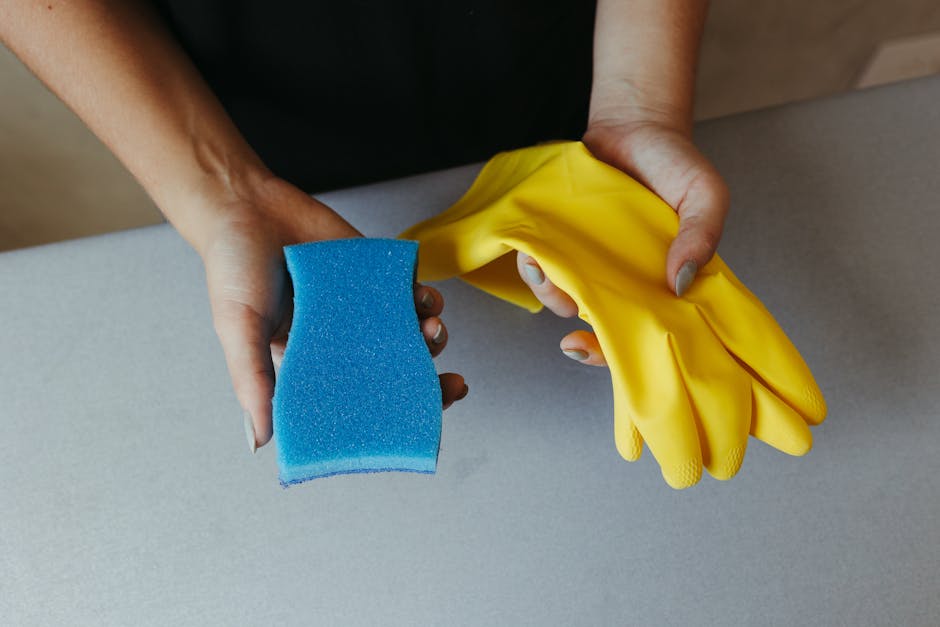
Bathroom maintenance is less glamorous than renovation, but it's far cheaper than fixing problems that develop from neglect. The key is understanding what actually causes damage and preventing it before it starts.
Moisture control is critical. Bathrooms are wet by nature, but uncontrolled moisture causes mould, rot, and structural damage. Always use your extractor fan during and for 20 minutes after showers. Wipe down wet walls and surfaces if possible. Ensure your bathroom has adequate ventilation—if it's perpetually steamy, you need better air circulation. This single habit prevents most bathroom problems.
Check for leaks regularly. Small leaks become expensive water damage. Inspect under sinks monthly for drips. Check around bath edges for water seeping behind panels. Listen for running water when nothing is on. Early detection saves thousands. If you spot a leak, fix it immediately rather than hoping it improves.
Maintain grout and sealant. Bathroom grout and silicone sealant deteriorate over time, allowing water behind tiles. Check annually. If grout is crumbling or sealant is peeling, replace it (or hire someone to). This prevents water damage to walls behind tiles, which is expensive and sometimes invisible until serious.
Clean regularly but gently. Regular cleaning prevents buildup that damages surfaces. Use appropriate cleaners for your materials—harsh chemicals damage natural stone, for example. Avoid abrasive scrubbers on acrylic baths. A weekly wipe-down prevents stubborn buildup that requires aggressive cleaning.
Inspect caulking around the bath. Caulk around the bath edge seals gaps where water can escape. Over time it cracks or deteriorates. Recaulk every 2-3 years or when you notice gaps. This inexpensive job prevents water damage to the wall behind and below the bath.
Check your tiles for damage. Cracked or loose tiles allow water penetration. Small cracks spread quickly. Replace damaged tiles promptly. If grout is consistently wet or mouldy, there's likely water getting where it shouldn't.
Maintain your taps and pipes. Mineral buildup in UK water causes tap problems. Descale taps occasionally using white vinegar. Check pipes under sinks for corrosion. Listen for unusual noises (banging, whistling) which indicate problems. A small repair now prevents a burst pipe later.
Ventilate properly. Even with an extractor fan, bathrooms need air circulation. Open windows when possible. Ensure your extractor fan works properly—if it seems weak, it may need cleaning or replacing. Poor ventilation is the root cause of most bathroom problems.
Budget for maintenance. Small maintenance costs far less than emergency repairs. Allocate money annually for recaulking, tile repair, and cleaning supplies. This prevents the scenario where a small problem becomes a major renovation.
Most bathroom damage is preventable through basic maintenance. Regular checks, prompt repairs, and moisture control mean your bathroom stays beautiful and functional for years longer.