Choosing the Right Bath Size and Style for Your Space
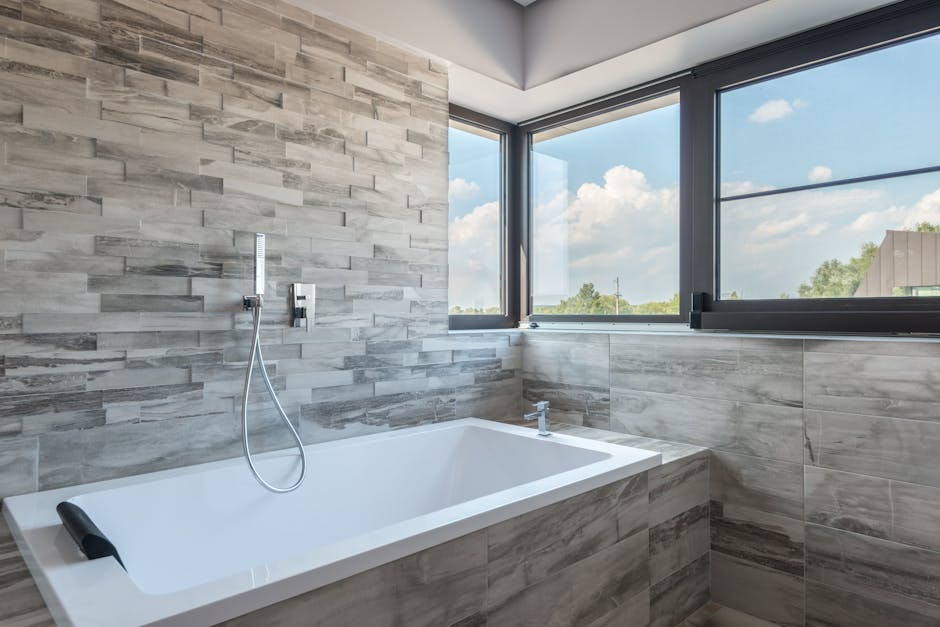
Choosing a bath is a significant decision because it's usually a fixture you'll live with for 10-15 years. Getting it right means considering not just aesthetics, but how it actually fits your life, your bathroom dimensions, and your budget.
Measure your space carefully. Before looking at any baths, measure your bathroom precisely. Note the distance from walls, the position of pipes, windows, and doors. A stunning freestanding bath won't work if it blocks the door from opening. Standard UK bathrooms often work better with rectangular built-in baths, whilst larger spaces can accommodate statement pieces.
Consider bath length and depth. Standard baths are 1700mm long, but compact versions start at 1500mm for smaller bathrooms. Depth varies significantly—deeper baths (around 550mm) feel more luxurious and hold more water, but use more water and take longer to fill. Shallower baths fill faster and cost less to run. Think about whether you genuinely soak or mostly shower.
Freestanding versus built-in. Freestanding baths create visual impact and work beautifully in larger spaces with good natural light. However, they're more expensive to install, require floor reinforcement, and are harder to clean around. Built-in baths are practical, space-efficient, and usually more affordable. Corner baths maximise space in smaller rooms.
Material choices matter. Acrylic is affordable, lightweight, and warm to touch, but can scratch and stain over time. Cast iron is durable and retains heat beautifully, but is heavy and expensive. Steel is affordable but noisier and colder. Composite materials offer durability with modern aesthetics. For UK homes, acrylic remains the most practical choice for most budgets.
Think about your actual needs. Do you have young children who need a shallow, safe bath? Are you older and need grab rails and easier access? Do you primarily shower, making a soaking tub unnecessary? Honest answers prevent expensive mistakes.
Budget realistically. A basic acrylic bath costs £200-500, whilst premium freestanding options exceed £2000. Factor in installation costs, which can match or exceed the bath price. Taps, panels, and surrounding work add further expense. Know your total budget before shopping.
Check plumbing compatibility. Where are your waste pipes positioned? Moving them is expensive. Existing plumbing often determines where a new bath can go. Consult a plumber before committing to a specific style.
The right bath balances your actual lifestyle, bathroom layout, and budget. Don't choose purely on looks—choose something you'll genuinely use and enjoy for years.